
Adapters
Shop premium hose adapters — designed for racing, motorsport, and other high-performance applications. Select an adapter to configure size and other options.
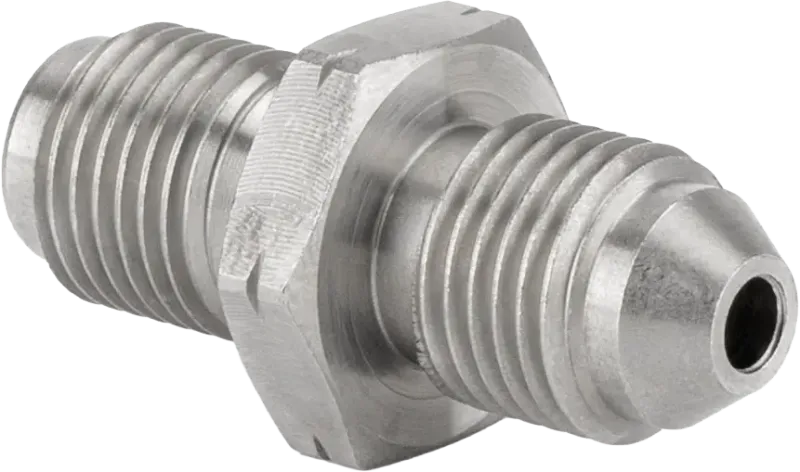
from£3.30

from£3.62
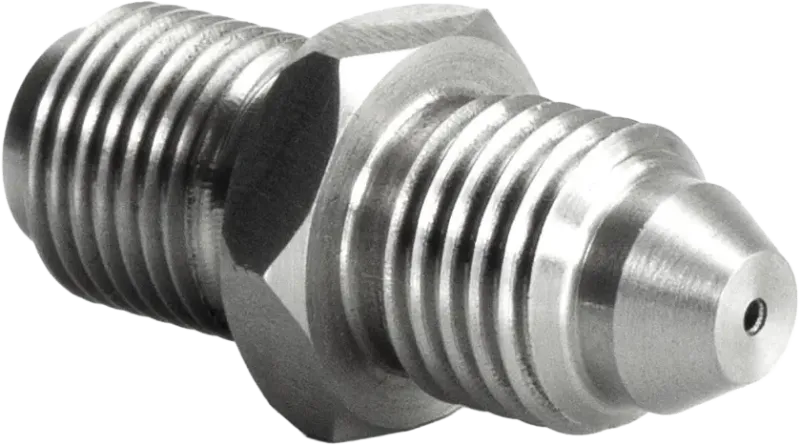

from£6.23
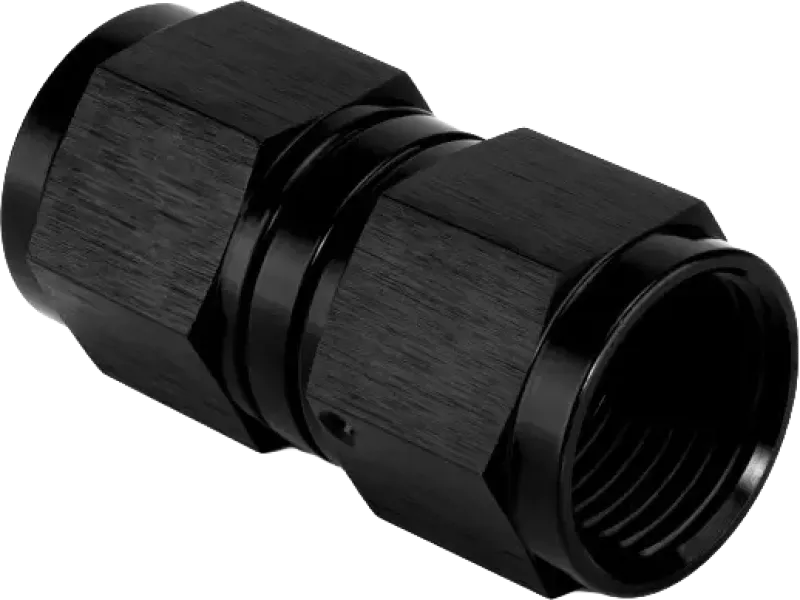
from£7.71
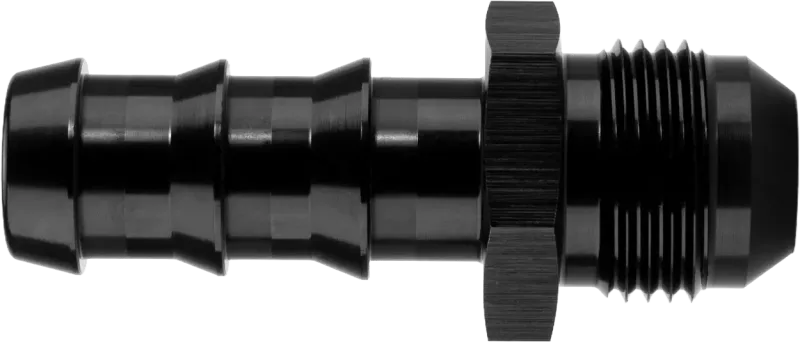
from£6.83

from£9.36

from£3.84


only£8.39
Hose Adapters for Secure Connections
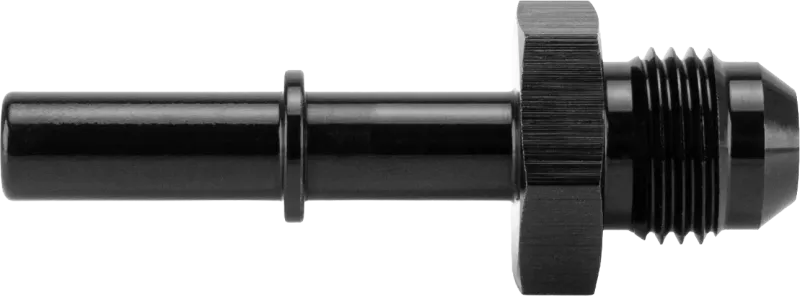
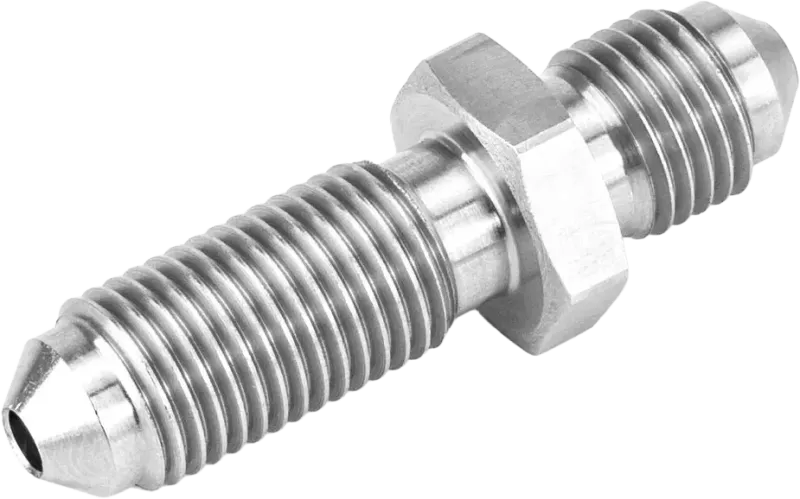
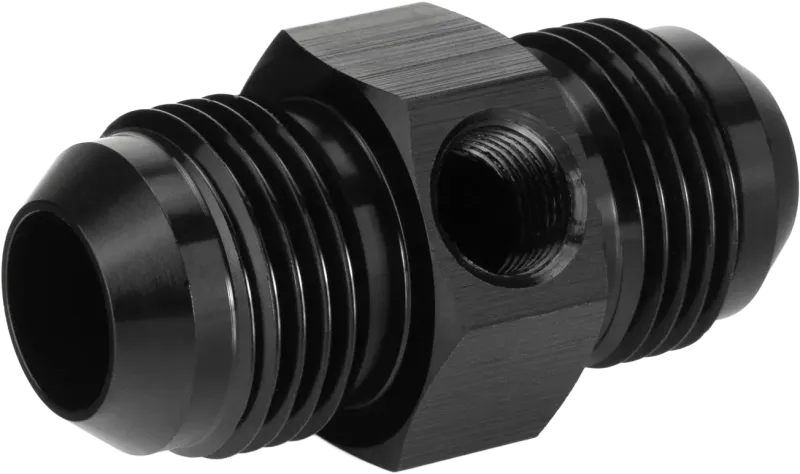
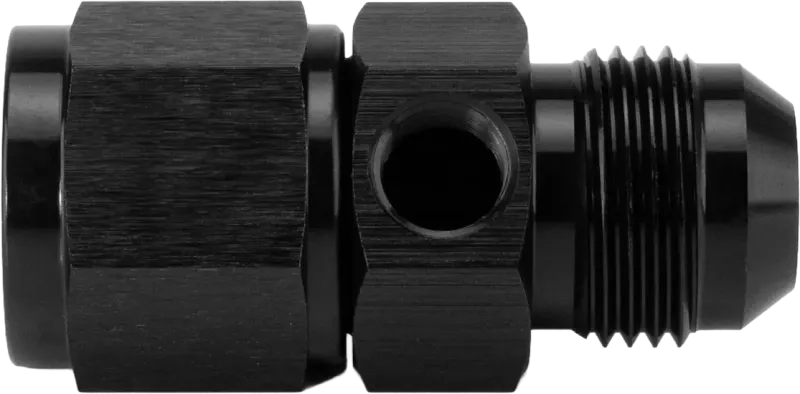
Our extensive range of hose adapters are designed to provide secure and reliable connections across various hydraulic, automotive, motorsport, and marine applications. Whether you require male-to-male adapters for straightforward connections, male-to-female adapters for versatile setups, or male-to-barb push-on adapters to integrate standard rubber hoses with AN fittings, we have the solution. Our selection also includes male-to-banjo adapters and female-to-female adapters, ensuring compatibility with a wide array of system configurations. Available in durable materials like stainless steel and lightweight aluminium, our hose adapters are built to withstand demanding conditions. Upgrade your fluid systems with our premium hose adapters for enhanced performance and peace of mind.
-
What are hose adapters used for in hydraulic and fluid systems?
Hose adapters connect different fittings, hoses, and components in hydraulic, automotive, motorsport, and marine fluid systems. They help bridge mismatched thread types, sizes, or genders, ensuring a secure, leak-free, and efficient system.
-
What is the difference between male-to-male adapters and male-to-female-adapters?
- Male-to-male adapters have male threads on both ends, allowing two female-threaded fittings to connect.
- Male-to-female adapters have one male-threaded end and one female-threaded end, making them ideal for adapting different hose fitting types while maintaining a secure connection.
-
When should I use a female-to-female adapter?
Female-to-female couplers join two male-threaded fittings or components. They are commonly used in hydraulic, automotive, and industrial applications to ensure a reliable connection.
-
What is a bulkhead adapter, and where is it used?
A bulkhead adapter allows a hose or fitting to pass securely through a panel, firewall, or bulkhead while maintaining a leak-proof connection. These are widely used in:
- Automotive - for fuel, brake, or coolant lines.
- Aerospace - for pressurised fluid systems.
- Marine - for watertight connections in boats and ships.
-
How do I choose the correct banjo adapter?
Banjo adapters allow 360-degree hose rotation, making them ideal for tight spaces in brake, fuel, and hydraulic systems. When selecting a banjo adapter, consider:
- Thread size and fitting type to match your system.
- Compatibility with system pressure and fluid type.
- Material (eg. anodised aluminium or stainless steel) for durability and corrosion resistance.
-
What are AN adapters, and why are they popular in motorsport and performance applications?
AN (Army-Navy) hose adapters are high-performance fittings used in motorsport, racing, and custom automotive builds. They provide:
- High-pressure and leak-free connections for fuel, oil, and hydraulic lines.
- Precision machining for durability in extreme conditions.
- Compatibility with braided hoses for secure, long-lasting performance.
-
What are push-on (barb) adapters, and when should I use them?
Push-on (barb) adapters have a ribbed or barbed end that grips the inside of a hose without requiring clamps. They are ideal for:
- Low-pressure fuel, coolant, and air systems.
- Quick and easy connections where tool-free assembly is preferred. For high-pressure applications, additional clamping may be necessary.
-
Are aluminium hose adapters reusable?
Yes, high-quality anodised aluminium hose adapters are reusable if they are in good condition. Before reuse:
- Inspect threads and sealing surfaces for damage.
- Check for corrosion or wear that could compromise the seal.
-
How do I install an adapter correctly?
To ensure a secure and leak-free installation:
- Clean all threads and sealing surfaces before installation.
- Use the correct torque settings for the adapter material and application.
- Avoid over-tightening, as excessive force can damage threads and compromise the seal.
-
How do I prevent leaks when using hose adapters?
To minimise leaks:
- Choose the correct hose adapter type and size for your system.
- Ensure all hose fittings and threads are clean before installation.
- Use new sealing washers or O-rings if required.
- Tighten fittings to manufacturer-recommended torque settings to prevent under or over-tightening.